

What is the New COVID-19 Cicada Strain? Symptoms & What Australians Should Know
, by Tatianna Gerard, 15 min reading time
, by Tatianna Gerard, 15 min reading time
A new COVID-19 strain known as Cicada has started appearing in headlines as it spreads in parts of the US and Europe and is also being monitored in Australia. Naturally, news of another variant can sound worrying, however, there is no reason to be alarmed. Health experts say the strain is being watched closely, but there is currently no evidence that it is causing more severe illness than other circulating Omicron-related variants. Even so, it is still worth understanding what this strain is, the symptoms to look out for, and the simple steps people can take to help reduce the spread.
In this article, we explain what the Cicada strain is, where it has been detected, the signs and symptoms to watch for, and how Australians can stay informed and protect themselves and others.
The Cicada strain is the name being used for BA.3.2, a newer SARS-CoV-2 lineage within the Omicron family. In simple terms, it is another branch of the virus that causes COVID-19, and like other Omicron-related strains, it has developed through ongoing mutation over time. The CDC report describes BA.3.2 as a highly divergent variant, meaning it has built up a notable number of genetic changes compared with some of the strains used to shape recent vaccine updates.
What makes the Cicada strain stand out is that it has a large number of genetic changes, especially in the spike protein. More specifically, BA.3.2 has around 70 to 75 substitutions and deletions in the spike protein gene sequence relative to JN.1 and its descendant LP.8.1.
The spike protein is the part of the virus that helps it attach to and enter human cells. It is also one of the main areas scientists look at when studying how a variant may spread and how well existing immunity may respond.
Because BA.3.2 has many changes in this part of the virus, health authorities are watching it more closely to understand whether it behaves differently from other circulating Omicron-related strains.
Yes. Like many other COVID-19 lineages, BA.3.2 appears to be continuing to evolve, with sublineages also being identified.
That does not automatically mean it is more dangerous. But it does mean experts want to keep tracking how it changes, how widely it spreads, and whether it begins to behave differently from other variants already in circulation.
The strain was first identified in South Africa on November 22, 2024, and since then it has been detected across multiple regions including Africa, Asia, Europe, North America and Oceania. By February 11, 2026, it had been reported in 23 countries, and the CDC noted that detections began increasing from September 2025.
Early reporting suggests the Cicada strain has been identified across multiple Australian states and territories. According to figures reported by 9News in early April 2026, New South Wales had recorded the highest number of Cicada detections at 10,247, followed by Queensland with 6,378 and Victoria with 3,635. Additional detections were also reported in South Australia (1,932), Western Australia (773), the ACT (225), Tasmania (263) and the Northern Territory (128), suggesting the strain had already been identified across all parts of the country.
The nickname “Cicada” is understood to have been linked to a detection in a person travelling to the United States in June 2025. The name itself draws on the idea of a cicada, which is known for spending long periods hidden underground before emerging.
That comparison helps explain why the nickname has been used for BA.3.2. As covered earlier, the variant had already been detected earlier in South Africa in 2024, but it did not attract broad public attention straight away. Instead, it appeared to remain relatively quiet, under the radar, or largely unnoticed for some time before starting to circulate more actively in recent months.
At this stage, there is no clear evidence that the Cicada strain is causing more severe illness than other Omicron-related variants already in circulation. The CDC’s surveillance report said there were no signs of a sustained growth advantage over other circulating Omicron variants, and detection in some hospitalised patients does not by itself prove the strain causes worse disease.
Not necessarily. A variant can spread more easily or attract attention because of its mutations without automatically causing more serious illness. Current reporting around BA.3.2 suggests that while it is being watched closely, there is no evidence so far of increased hospitalisations, deaths, or severity compared with other recently circulating variants.
Cicada is still important to track because it carries a large number of spike protein changes that may reduce some protection against infection from past vaccination or previous infection. That is why health authorities continue monitoring it through genomic surveillance and other public health systems.
So far, the Cicada strain does not appear to cause a completely different set of symptoms. Reports on BA.3.2 say the symptoms being seen are broadly similar to those linked with other recent Omicron-related variants, which means people should look out for the usual COVID-style respiratory and flu-like signs.
The most commonly reported symptoms include:
This type of sore throat is being used to describe throat pain that feels harsher than a mild scratchy throat. People may describe it as:
Read related article: RSV vs. COVID-19 vs. Influenza: All You Need to Know
Even if the Cicada strain is not currently thought to be more severe than other recent variants, some people may still need to take a bit more care if they become unwell. This is because COVID-19 can still hit certain groups harder than others, especially those who are already more vulnerable to serious illness.
Older people, particularly seniors, are generally more likely to experience more serious symptoms or complications from COVID-19. That is why it still makes sense for older Australians to stay alert to symptoms, avoid close contact with sick people where possible, and get medical advice sooner if they start feeling worse.
People living with underlying health issues may also need to be more cautious. This can include those with conditions affecting the lungs, heart, immune system, or overall health. For these groups, even a variant that seems mild for many others can still be more difficult to recover from.
Anyone with a weakened immune system may also be at higher risk. This could include people going through certain medical treatments or living with conditions that make it harder for the body to fight infection. For these people, it is especially important not to ignore symptoms and to speak with a healthcare professional if they test positive or start feeling unwell.
If you have COVID-19 symptoms or test positive, one of the simplest ways to help reduce spread is to stay home and limit close contact with others.
This can include simple steps such as:
Good hygiene still plays an important role. That means washing your hands regularly, using hand sanitiser when needed, and covering coughs and sneezes so droplets are less likely to spread to other people or surfaces.
It is also worth remembering that when someone is sick, viruses can spread not only through the air and close contact, but also onto high-touch surfaces around the home or workplace. Things like door handles, benchtops, light switches, taps, phones, desks, and shared bathroom areas can all be worth paying extra attention to, especially if multiple people are using the same space.
During times of illness, it can help to clean and disinfect shared surfaces more often, improve airflow where possible, and take extra care in rooms where people are resting, coughing, or spending long periods of time.
For those wanting an easier way to sanitise a room without having to wipe down every surface by hand, a room fogger can also be a practical option. For example, products such as the ViroCLEAR Sanitiser & Protectant Fogger are designed to release a fine sanitising mist throughout the room. You simply place it in the middle of the room, activate it by pressing the button, and allow the mist to disperse. Once activated, you should leave the room while the fogging solution is being released, which typically takes around 10 minutes.
Wearing a well-fitted face mask like the P2 or N95 respirators can still be a sensible extra step, particularly if you are visiting a healthcare setting, aged care, disability care, or if you need to be around others while unwell. Australian health authorities note that masks can help limit the spread of COVID-19 and other illnesses, and some higher-risk facilities may still require them.
Read related article: Comparing Mask Types: Uses, Effectiveness & Regulatory Compliance
If you have symptoms, it is wise to avoid visiting older relatives, aged care residents, or anyone with underlying health issues until you are feeling better. Even when a variant is not thought to be more severe overall, it can still pose a bigger risk to people who are more vulnerable to serious illness.
Testing can still be useful when you have symptoms, especially if you are going to be around higher-risk people or need to confirm whether COVID-19 may be the cause. COVID-19 testing remains part of managing symptoms and knowing when you may need to take extra steps to protect others.
Vaccination is still described by Australian health guidance as one of the best ways to help protect against serious illness, hospitalisation and death from COVID-19. While vaccines may not prevent every infection, they remain especially important for older adults, immunocompromised people, and others at higher risk of becoming very unwell. The Australian Government’s National COVID-19 Vaccine Program provides free COVID-19 vaccines to everyone in Australia, including people without a Medicare card.
If you’d like to check the latest advice, eligibility, or where to book, you can find the information in these official resources:
If symptoms are getting worse, or if the person who is unwell is older or has underlying health issues, it is best to speak with a healthcare professional early.
The emergence of the Cicada strain is a reminder that COVID-19 has not disappeared and that new variants will continue to appear as the virus evolves. While this variant is being watched closely, current reporting suggests the most important response is to stay informed, watch for symptoms, and take sensible steps to help protect yourself and others.
As always, it helps to rely on trusted health advice, keep up to date with vaccination recommendations, and have a few everyday health essentials on hand so you can respond early if illness strikes.
Disclaimer: This blog is for general information only and is not a substitute for professional medical advice, diagnosis, or treatment. If you are experiencing symptoms or have concerns about your health, it is important to speak with a qualified healthcare professional. The Aussie Pharma Direct team works hard to provide accurate, up-to-date information and useful content based on reliable sources, reputable health information, and relevant medical research, however, information may change over time and should not be relied on as personal medical advice.

A well-fitted P2 or N95 respirator can help provide an added layer of protection in higher-risk settings, crowded spaces, or when caring for someone who is unwell. Explore respirators designed for everyday use, workplace use, and extra peace of mind when you need it most.
Shop Collection
Rapid antigen tests can be helpful to keep on hand when symptoms appear or when you want to check before being around others. Buy COVID-19 tests designed to support quick, convenient screening at home, at work, or in care settings.
Shop Collection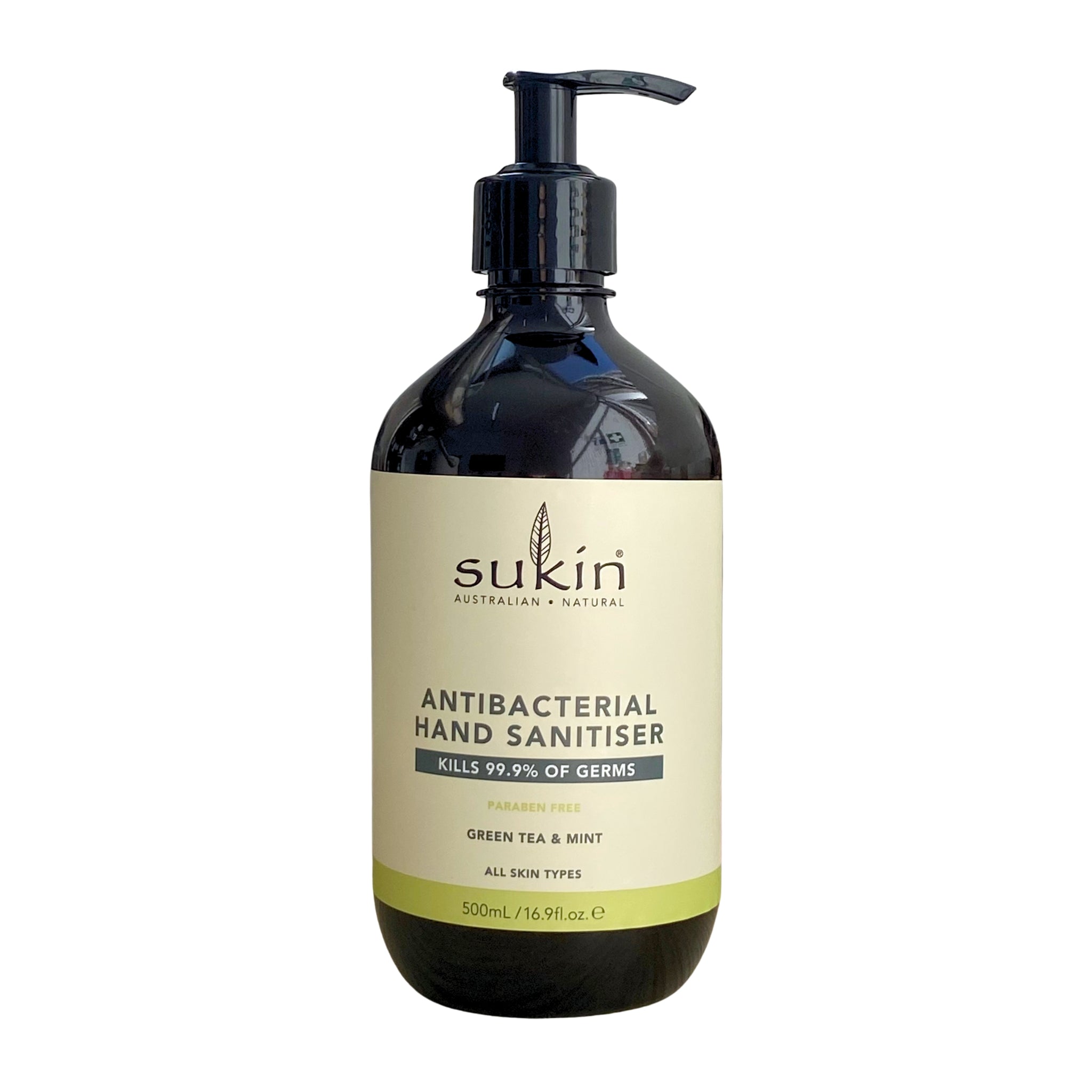
Hand sanitiser is a simple everyday essential for helping reduce the spread of germs when soap and water are not easily available. Discover hand sanitising options for home, travel, workplace, and on-the-go use.
Shop Collection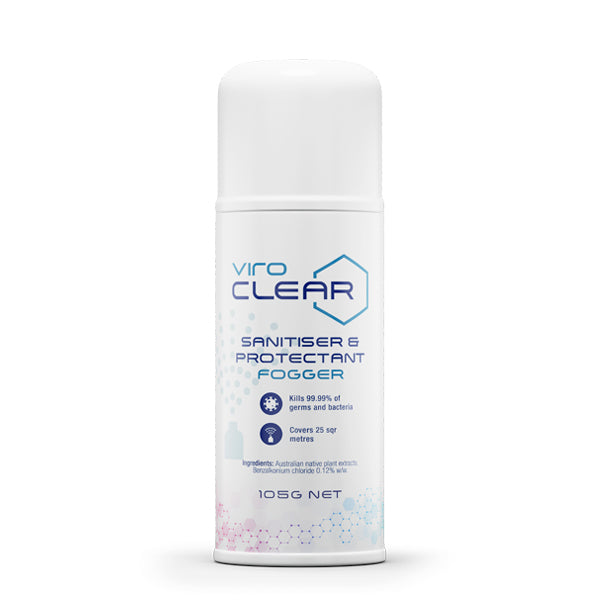
Disinfectants can help support a cleaner environment during times of illness by targeting germs on high-touch surfaces and shared spaces. Shop disinfectant solutions suited to homes, workplaces, healthcare, and general hygiene routines.
Shop Collection