

Cruise Ship Illnesses: What Travellers Should Know About Hantavirus & Other Travel-Linked Infections
, by Tatianna Gerard , 22 min reading time
, by Tatianna Gerard , 22 min reading time
Cruise ship illnesses are back in the headlines after a recent hantavirus cluster was linked to the MV Hondius, an expedition cruise ship carrying passengers and crew across remote travel routes after departing from Ushuaia, Argentina. The World Health Organization (WHO) reported a cluster of severe respiratory illness among passengers, with confirmed and suspected hantavirus cases, including deaths, prompting international contact tracing and public health monitoring. WHO has assessed the general public health risk as low, but further monitoring is continuing because hantavirus can have a longer incubation period.
For travellers, this is a reminder that travel health is not only about avoiding COVID, flu or stomach bugs. Cruises, flights, hotels, tours and overseas destinations can expose people to different environments, shared surfaces, crowded indoor spaces and, in rare cases, infections linked to animals or contaminated surroundings.
In this guide, we look at what travellers should know about hantavirus, how it differs from more common travel-linked infections, and what simple hygiene and health essentials can help reduce risk while travelling.
Hantaviruses are a group of viruses found in nature — and their primary hosts are rodents. Mice, rats, and other small mammals can carry hantavirus without appearing sick, shedding the virus through their urine, droppings, and saliva. When humans come into contact with these materials — or breathe in dust contaminated by them — infection can occur.
It's a disease that has existed for a long time, but it doesn't make headlines often. Hantavirus first came to widespread medical attention during the Korean War in the 1950s, when thousands of United Nations soldiers fell ill with a mysterious haemorrhagic fever. The virus responsible — later named Hantaan virus, after the Hantan River in South Korea — wasn't formally identified until 1976.
Decades later, in 1993, a sudden outbreak of severe respiratory illness in the Four Corners region of the American Southwest brought hantavirus back into the spotlight, leading to the identification of the Sin Nombre virus and the disease now known as Hantavirus Pulmonary Syndrome. Since then, cases have been documented across the Americas, Europe, and Asia, typically in rural or wilderness settings where human contact with rodents is more likely.
Different strains of hantavirus cause different illnesses. In the Americas, some strains — including the Andes virus, which is the strain linked to the MV Hondius cluster — can cause Hantavirus Pulmonary Syndrome (HPS), a serious respiratory illness.
Symptoms can include fever, severe muscle aches, fatigue, and headaches in the early stages, followed by a rapid onset of shortness of breath as the lungs fill with fluid. In some cases, HPS can be life-threatening.
In parts of Europe and Asia, different hantavirus strains tend to cause a kidney-affecting illness called Haemorrhagic Fever with Renal Syndrome (HFRS), which presents differently and has its own range of severity.
Most hantaviruses do not spread from person to person. You can't catch them from a sick colleague or a fellow passenger the way you might catch a cold or flu. The Andes virus, however, is a rare exception — it is the only hantavirus strain known to have the capacity for person-to-person transmission, most commonly through very close contact, such as within households or between intimate partners. It causes a severe lung-focused form of illness, and fatality rates have been estimated at between 35 and 50 percent in some cases — making early identification and careful contact tracing critically important when this strain is involved.
Hantavirus usually infects people from rodents, not from casual contact with another person.
The main route is:
Infected rodent urine, droppings or saliva contaminate dust or surfaces → that dust is disturbed → a person breathes it in.
That can happen when someone sweeps, vacuums, cleans, or enters a closed-up area where infected rodents have been active.
Other possible routes include:
For the Andes virus strain, which is the strain being discussed in the cruise ship outbreak, is considered rare and usually requires close or prolonged contact with a sick person. It does not spread easily like COVID-19, flu or RSV.
Cruise ships are not unsafe by definition. Millions of people sail every year without incident, and modern vessels have extensive health and sanitation protocols in place. But the nature of cruise travel — and group travel more broadly — does create conditions where infections, if present, can move between people more easily than they might in everyday life.
It comes down to proximity and shared spaces.
On a cruise ship, passengers share dining rooms, buffet stations, handrails, lift buttons, pool areas, and bathroom facilities. Cabins are cleaned regularly, but they are small and enclosed. Air conditioning systems circulate air through contained indoor spaces. Shore excursions often involve packed buses, guided group walks, and visits to markets or natural environments — sometimes in regions where different disease risks apply.
This isn't unique to cruises. Long-haul flights pack hundreds of people into a sealed cabin for hours at a time. Group tours move people through shared transport, shared accommodation, and shared meals. Even hotel stays involve high-touch surfaces that many hands have touched before yours.
One of the less-discussed realities of group travel is that people frequently push through mild symptoms rather than disrupting a trip they've planned and paid for. A passenger with early respiratory illness, a gastrointestinal bug, or something less common, may not realise they are unwell until symptoms progress. By that point, others may already have been exposed.
Travel also moves people through environments their immune systems may be less familiar with. Excursions into rural or wilderness areas can bring travellers into contact with local wildlife, unfamiliar water sources, insects, and environments that carry risks not present at home. The hantavirus cases linked to the MV Hondius are a reminder that shore excursions — not just the ship itself — can be a point of exposure.
Hantavirus is an unusual case — and for most travellers, it is not the infection most likely to cause problems on a trip. The illnesses below are far more commonly encountered in travel settings, and worth understanding before you go.
COVID-19, influenza, and RSV continue to circulate globally, and travel settings are among the environments where they spread most readily. Crowded airports, long flights with recirculated air, shared cabin spaces, and group dining all create opportunities for respiratory viruses to pass between people. Older travellers and those with underlying health conditions are at greater risk of serious illness from these infections, and it is worth checking vaccination status before any significant trip.
The common cold is easy to dismiss, but a severe cold partway through a cruise or long-haul holiday can genuinely derail your plans — and miserable cabin days are not what anyone books a trip for.
Norovirus is perhaps the infection most closely associated with cruise ships in the public imagination, and not without reason. It spreads rapidly in enclosed environments through contaminated hands, surfaces, food, and close contact. Symptoms — vomiting, diarrhoea, and cramping — come on quickly and can be severe enough to confine passengers to their cabin for days.
Traveller's diarrhoea is another common concern, particularly when visiting destinations where food handling standards or water quality differ from what you're used to at home. It is usually caused by bacterial infections and resolves on its own, but it can be debilitating mid-trip.
Food poisoning more broadly — from undercooked meat, raw shellfish, or improperly stored buffet food — is a risk anywhere people are eating in large shared settings.
Read related article: Is It Norovirus or Just Food Poisoning? Key Differences in Symptoms to Note
Depending on your destination, mosquito-borne illnesses may be a relevant concern. Dengue fever is present across much of Southeast Asia, the Pacific Islands, Central and South America, and parts of Africa, and cases have been rising globally in recent years. Malaria remains a risk in parts of sub-Saharan Africa, South Asia, and some regions of South America. Chikungunya and Zika virus are also worth being aware of depending on where you are travelling.
Read related article: 5 Mosquito-Borne Diseases in Australia: Symptoms, Risks & Prevention
If your cruise itinerary or travel plans include ports of call in affected regions, check destination-specific health advice well before departure and speak with a healthcare provider about appropriate preventive measures.
As the MV Hondius cluster has brought to wider attention, hantavirus is an example of an infection that can be encountered during travel — particularly during excursions into rural, wilderness, or semi-remote environments. Avoiding disturbing potential rodent habitats, not handling wild animals, and being mindful in outdoor settings are sensible precautions wherever you travel.
Small injuries that would be trivial at home can become a bigger problem when you're travelling. Blisters from walking, insect bites, minor cuts from activities or excursions, and prolonged exposure to heat and moisture can all create entry points for bacterial infection. In tropical climates especially, wounds can deteriorate quickly if not cleaned and covered promptly.
It's easy to brush off feeling unwell when you're travelling. Jet lag, unfamiliar food, heat, disrupted sleep, and the general physical demands of being on the move can all leave you feeling off — and it's tempting to put symptoms down to tiredness or a change in routine rather than something that needs attention.
But some symptoms warrant a closer look, particularly when they appear during or after travel.
Seek medical advice if you experience any of the following:
Hantavirus has an incubation period typically ranging from 1 to 8 weeks. This means a traveller who was exposed on a cruise or shore excursion may not develop symptoms until well after they have returned home — and may not immediately connect how they are feeling to their recent trip. Always let your healthcare provider know about recent travel, even if it feels unrelated.
There's no shortage of travel health advice out there, and a lot of it is either too vague to be useful or so exhaustive it's impossible to follow. What's below is practical — the habits that genuinely make a difference in the environments travellers are most likely to find themselves in.
It sounds basic because it is, but it remains the most evidence-backed way to reduce your risk of picking up gastrointestinal infections, respiratory viruses, and a range of other travel-related illnesses. Wash your hands thoroughly with soap and water before eating, after using the bathroom, after excursions, and after touching high-contact surfaces like handrails, lift buttons, and shared equipment. When soap and water aren't available — on a bus, at a market, after a shore excursion — use a hand sanitiser with at least 60 per cent alcohol. Keep a small bottle in your day bag so it's always within reach.
Avoid touching your eyes, nose, and mouth with unwashed hands. It's a habit most of us don't notice we have until we start paying attention.
High-touch surfaces in shared accommodation — door handles, remote controls, light switches, bathroom taps, and bedside tables — are touched by many people and are not always thoroughly disinfected between guests. A quick wipe-down with disinfectant wipes when you arrive takes two minutes and meaningfully reduces your exposure. It's a small habit that seasoned travellers swear by.
If you are in a crowded enclosed environment — a packed airport terminal, a long shuttle transfer, a busy ship corridor during peak hours — wearing a mask is a reasonable and low-effort way to reduce your exposure to respiratory viruses. This matters more if you are older, immunocompromised, or travelling with someone who is. You don't need to wear one everywhere, but having a P2 or N95 respirator in your bag means you have the option when it makes sense to use it.
Avoid sharing drink bottles, cups, cutlery, towels, or lip balm with fellow travellers, even people you know well. It's easy to be relaxed about this among friends or family, but many infections — including some respiratory viruses and gastrointestinal bugs — pass readily through saliva and shared surfaces.
On a cruise ship, food safety is generally well managed — but buffet settings carry inherent risks when food sits out for extended periods or when serving utensils are shared by many hands. Use your own judgement about what looks freshly prepared and properly temperature-controlled.
On shore excursions, particularly in destinations where food handling practices or water quality differ from home, be more cautious. Opt for cooked food over raw, avoid ice in drinks if you're unsure of the water source, and choose bottled water when tap water safety is uncertain.
In hotel rooms or cabins with windows that open, use them. Fresh air circulation reduces the concentration of airborne particles in enclosed spaces. On cruise ships, spending time on deck rather than in crowded indoor common areas during peak times is a simple way to reduce your respiratory exposure.
If your itinerary includes hiking, wildlife excursions, camping, or visits to rural or semi-remote areas, be mindful of your environment. Don't disturb potential rodent habitats — woodpiles, dense undergrowth, abandoned structures — and avoid handling wild animals. If you're staying in rustic accommodation, check for signs of rodent activity and avoid sleeping directly on the ground where possible. These precautions are particularly relevant in regions of South America, parts of North America, and other areas where hantavirus strains are known to circulate.
Any cut, blister, or insect bite should be cleaned promptly and kept covered, particularly in tropical or humid climates where skin infections can take hold quickly. Pack a basic wound care kit and use it.
If you develop a cough, runny nose, or other respiratory symptoms while travelling, wear a mask in shared spaces, avoid crowded common areas where possible, and be diligent with hand hygiene. It's good practice for those around you, and most cruise lines and tour operators will appreciate — and may require — that you report symptoms early rather than pushing through.
Travel is one of life's great pleasures — and a little knowledge goes a long way toward making sure it stays that way. The hantavirus headlines linked to the MV Hondius were a reminder that illness can appear in unexpected places. The message is simple: the more prepared you are before you leave, the better placed you are to handle whatever comes up while you're away.
If you are an older traveller, or if you are living with a chronic health condition, it is worth taking travel health preparation a step further. This applies equally to people with respiratory or heart conditions, those who are immunocompromised, pregnant travellers, and those travelling with young children or elderly family members.
Before you travel:

This essential travel hygiene and safety kit comes in a small or family size. Pre-packed with everything you need for peace of mind on the move. Compact and lightweight, it fits easily into any backpack, handbag, or glove compartment.
Shop Collection
Proudly Australian made, AMD P2 masks are the first of their kind to use nanofiber technology — delivering superior fit, comfort, and the level of protection similar to the globally-known N95 masks. They provide a PFE of 99.66% & BFE of 99.92%.
Shop Collection
Explore our extensive range of rapid antigen test kits designed to address a wide array of health concerns. Our Sonictec rapid antigen test kits are easy-to-use and designed for quick, at-home use, delivering accurate results within 10-20 minutes. Now featuring the Sonictec 5-in-1 Rapid Antigen Test; an advanced tool for detecting five different viral infections, including Adenovirus (AdV), COVID-19, Influenza A/B, and RSV.
Shop Collection
Alcohol-based products can be harsh, especially on sensitive skin. ViroCLEAR’s BKC-based range is a gentler, alcohol-free alternative, offering hospital-grade disinfectants and non-irritating hand sanitisers that kill germs effectively while being safe for your whole family. Explore all hand sanitisers now.
Shop Collection
Managing lingering symptoms can feel overwhelming, but having the right essentials on hand can make day-to-day life a little easier. Our medicines collection brings together trusted, pharmacy-grade products that many people use to help ease common concerns such as pain, congestion, and fatigue.
Shop Collection
The Good Riddance collection is designed to help protect against mosquitoes, midges and sandflies during the warmer months, when they’re most active. From effective insect repellents to soothing Rescue Balm for bites and minor skin irritations, this range helps keep skin comfortable outdoors.
Shop Collection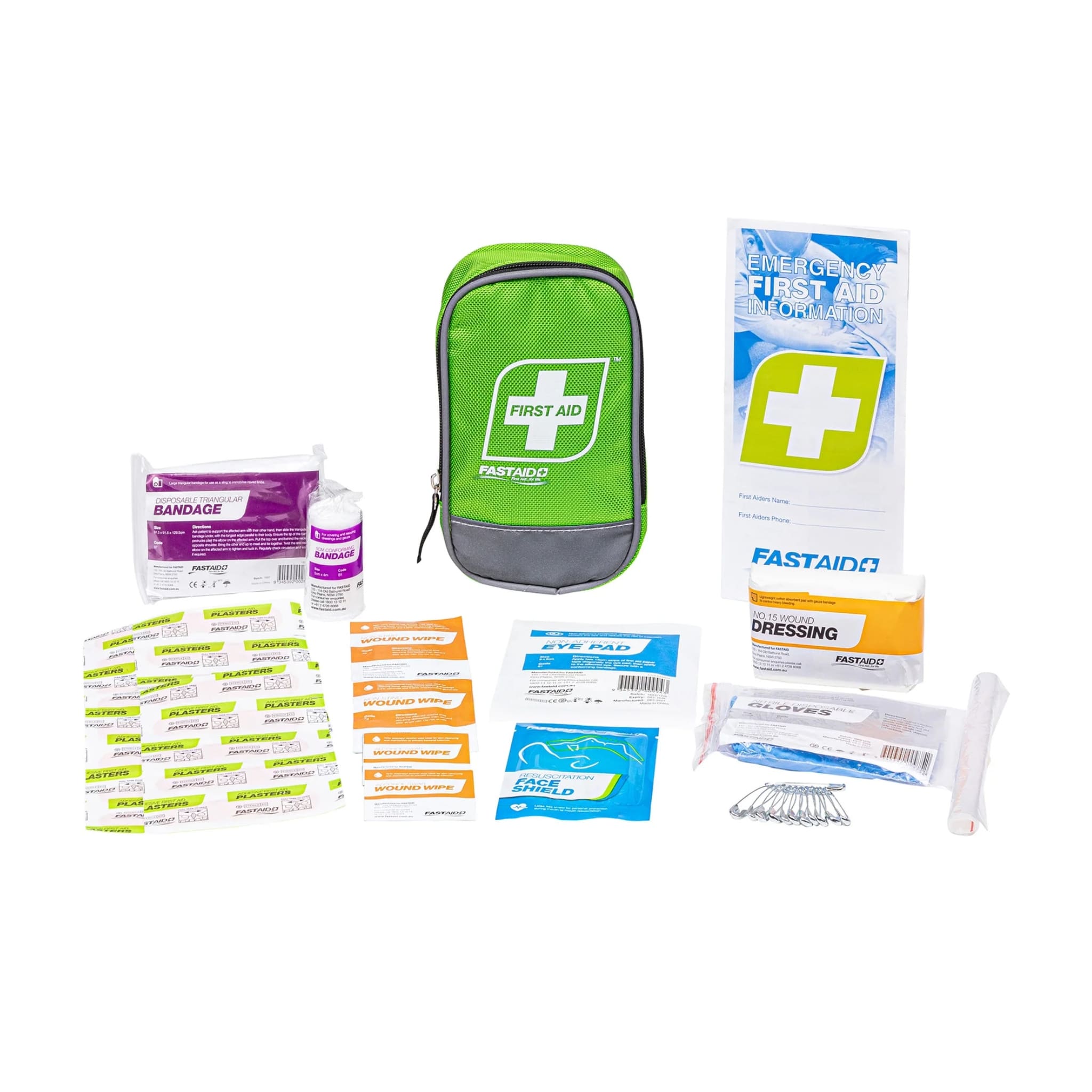
The FastAid Compact Soft Pack First Aid Kit is a lightweight, portable kit designed for treating minor injuries. Suitable for use at home, in vehicles, at work, or during travel, it provides over 30 essential items for everyday first aid situations.
Shop Collection