

18 Germ Hotspots You’re Probably Forgetting to Clean at Home
, by Tatianna Gerard , 22 min reading time
, by Tatianna Gerard , 22 min reading time
You probably have a regular cleaning routine for the obvious areas around your home. Kitchen benches get wiped down, floors get vacuumed, bathrooms get scrubbed and dishes get washed. But what about the things you touch dozens of times without even thinking about them?
Your phone, TV remote, light switches, keyboard, reusable shopping bags and even your car steering wheel all come into regular contact with your hands, yet they can easily be missed when cleaning day rolls around.
Of course, the presence of germs doesn't automatically mean something is dirty or dangerous. Microorganisms are a normal part of our everyday environment. The issue is that some bacteria and viruses can be transferred from our hands to surfaces—and from those surfaces back to our hands, food or other people.
This can be particularly relevant for objects that are frequently handled, shared between several people or regularly taken outside the home.
Let's take a look at some of the germ hotspots around the home that are surprisingly easy to forget.
Think about everywhere your phone goes during an average day. It might sit on your desk, come with you on public transport, get placed on café tables or shopping counters, travel in your pocket or handbag and then end up beside you on the couch—or even in bed. In fact, scientists at the University of Arizona found that mobile phones carry 10 times more bacteria than most toilet seats.
At the same time, we're constantly touching our phones with our hands, creating plenty of opportunities for dirt, oils and microorganisms to transfer between our hands, the phone and other surfaces.
Phones can be particularly easy to overlook because they don't necessarily look dirty. For everyday use, regular cleaning whenever you notice fingerprints, grime or visible dirt is a sensible habit.
TV remotes and gaming controllers are the kind of household items that pass from hand to hand without getting much attention during regular cleaning. They're often used while eating snacks, relaxing on the couch or sharing a game with family and friends, allowing skin oils, food residue, dust and microorganisms from our hands to gradually accumulate on their surfaces.
Their design can make them particularly easy to overlook, too. Buttons, joysticks, triggers and the small gaps around controls can collect grime that's not always immediately visible. Gaming controllers may also be held continuously for long periods, increasing contact with sweat and oils from the hands.
When cleaning these devices, pay particular attention to buttons, grips, joysticks and other frequently touched areas.
Whether you work from home, study online or simply spend a lot of time at the computer, your keyboard and mouse are likely to be among the most frequently touched items on your desk.
Keyboards in particular have plenty of small spaces where dust, crumbs, hair and other debris can settle between and underneath the keys. At the same time, frequent contact with your hands allows skin oils and microorganisms to accumulate on the keys, mouse buttons and other commonly touched areas. Shared computers in households, schools and workplaces can receive even more hand contact from multiple users.
It's also worth thinking about what you do while using your computer. Eating at your desk, touching your face, using your phone and then returning to the keyboard all create opportunities for particles and microorganisms to move between your hands and different surfaces.
When cleaning your computer accessories, focus on the keys, space bar, mouse buttons, scroll wheel and sides of the mouse, as these receive the most frequent contact.
You probably clean the doors, walls and floors around your home—but how often do you notice the small surfaces your hands touch on the way through? Think about how often you touch a door handle immediately after coming home, preparing food, using the bathroom or coughing or sneezing into your hand. The same hands may then reach for a light switch, creating another opportunity for germs to move between frequently touched surfaces.
Some of the areas worth remembering include:
When cleaning, don't focus only on the handle itself. The surrounding area can become dirty too, particularly around light switches and door handles where fingers regularly make contact with the wall, door or switch plate.
Kitchen benches and sinks usually get plenty of attention during cleaning, but the handles and controls on the appliances around them can be much easier to miss. These surfaces are touched repeatedly throughout food preparation—sometimes before we've had a chance to wash our hands.
For example, you might handle raw ingredients, open the refrigerator, adjust the oven, press a microwave button and then return to preparing food. This creates opportunities for bacteria and other microorganisms to be transferred between hands, appliances, utensils and food, a process known as cross-contamination.
Some commonly overlooked areas include:
Read related article: The Dirtiest Items in Your Kitchen (That You Use Every Day)
Reusable shopping bags go through a lot more than simply carrying groceries from the supermarket to your kitchen. They may be placed inside shopping trolleys, on checkout counters, in the boot or footwell of the car and eventually on a kitchen bench or floor at home—often without being cleaned in between.
The inside of the bag can also come into contact with a wide range of groceries. Food residue, moisture or leaks from packaging can remain behind, while microorganisms may be transferred between different items and surfaces.
It's particularly worth paying attention to bags used for:
Where possible, consider keeping designated bags for raw meat and other potentially leaking foods, rather than using the same bag for everything. It's also a good idea to avoid placing reusable shopping bags on surfaces where food will later be prepared.
Wash reusable bags according to their care instructions when appropriate and allow them to dry completely before folding or storing them. Don't forget insulated grocery bags either—the interior lining, seams, handles and base can all collect spills and residue and may need to be wiped clean.
A reusable water bottle might only ever contain water, but that doesn't mean it stays clean indefinitely. Every time you take a sip, microorganisms from your mouth can be transferred to the mouthpiece, while handling the bottle throughout the day introduces additional dirt and microorganisms from your hands.
Moisture is another consideration. Bottles that are refilled continuously without being properly washed and dried can remain damp for long periods, while small amounts of water may become trapped in parts that aren't immediately visible.
Some of the easiest areas to overlook include:
Simply rinsing the bottle with water may not be enough to clean all of these areas. Where the design allows, take the lid and removable components apart when washing, paying particular attention to seals and narrow crevices where residue can accumulate. A small bottle or straw brush can also make hard-to-reach areas easier to clean.
Once washed, allow the bottle and its individual components to dry thoroughly before putting everything back together or storing it.
Read more about how often you should wash your water bottles here.
Chopping boards are used for everything from slicing fruit and vegetables to preparing raw meat, making them one of the most important surfaces to consider when it comes to preventing cross-contamination in the kitchen.
Even when a chopping board looks clean, repeated use can leave behind knife marks, scratches and grooves. Food particles and moisture can become trapped in these areas, making heavily worn boards more difficult to clean thoroughly.
What you prepare on the board matters too. Using the same surface for raw meat and then preparing foods that won't be cooked—such as salad, fruit or bread—can allow harmful microorganisms from raw ingredients to be transferred to ready-to-eat foods.
Where practical, consider using separate chopping boards for raw meat, poultry and seafood and for ready-to-eat foods such as fruit, vegetables and bread. After use, boards should be washed thoroughly and allowed to dry completely before being stored.
The material also makes a difference to how a board should be cared for. Plastic, wooden and bamboo chopping boards have different cleaning and maintenance requirements, so following the manufacturer's instructions is important. If a board becomes deeply scored, cracked or otherwise difficult to clean effectively, it may be time to replace it.
Kitchen sponges and dishcloths are supposed to help keep things clean, but they need some attention themselves. Throughout the day, they may be used to wipe up food spills, wash dishes, clean benchtops and remove residue from sinks—all while repeatedly coming into contact with moisture and food particles.
Because sponges and cloths often remain damp between uses, they can provide conditions where bacteria and other microorganisms can multiply, particularly when food residue becomes trapped within them.
Where possible, avoid using the same cloth for every kitchen task. For example, a cloth used to wipe the floor or clean up raw food spills shouldn't then be used on a food preparation surface.
After use, remove food debris and allow reusable sponges and cloths to dry as thoroughly as possible rather than leaving them wet in the bottom of the sink. Wash reusable cloths regularly according to their care instructions, and replace sponges or cleaning tools that have developed persistent odours, visible deterioration or are difficult to clean effectively.
You usually have to touch the tap before your hands have been washed. That means microorganisms from unwashed hands can be transferred onto tap handles and controls. After washing, touching the same handle again to turn the water off can potentially transfer some of those microorganisms back onto clean hands.
Areas worth remembering to clean include:
The area around the base of the tap deserves attention as well. Water can collect around fixtures, while soap residue, grime and mineral deposits may gradually build up in the small gaps where the tap meets the sink or benchtop.
Water can collect at the bottom of a holder or around individual toothbrush slots, while residue can gradually build up in areas that aren't immediately visible. If the holder doesn't drain or dry properly, that constantly damp environment can encourage microbial build-up over time.
It's worth looking at how toothbrushes are stored. Keeping several toothbrush heads pressed closely together can allow them to come into contact with one another, while enclosing a toothbrush in a cap or container while it's still wet may prevent it from drying properly.
Wash the holder thoroughly and allow it to dry before putting toothbrushes back. If it's dishwasher-safe, the manufacturer's instructions may allow for more thorough cleaning that way.
Despite travelling almost everywhere with us, handbags and backpacks don't always make it onto the regular cleaning list. Their handles, straps and bases receive frequent contact, while the inside can gradually collect crumbs, dust, food residue and dirt from everything we carry around.
Some commonly overlooked areas include:
Lunch bags deserve particular attention because they're regularly used to carry food and may be exposed to spills, crumbs, condensation and leaking containers. Insulated linings, zippers and seams can easily be missed when the inside is given only a quick wipe.
Your car might not technically be part of your home, but it's often an extension of your everyday environment—and many of the surfaces inside it are touched immediately after you've been out in public.
Some commonly overlooked areas include:
Keys are another everyday item that travel almost everywhere with us but rarely make it onto the cleaning list. Because they're handled so frequently, dirt, oils and microorganisms from your hands can gradually accumulate on their surfaces. Modern key sets can also have plenty of small grooves and crevices where grime can collect.
It's also worth considering where you put your keys when you arrive home. If they're routinely placed on kitchen benches or dining tables, anything picked up while you're out can potentially be transferred to surfaces used for preparing or eating food. Having a designated key bowl, hook or entryway storage area can help keep them away from these spaces.
Children’s toys can spend a lot of time on the floor, in little hands and sometimes in mouths, before being returned to the toy box and used again the next day.
While hard plastic toys may be relatively straightforward to wipe down, other types of toys have small openings, textured surfaces or soft materials that can make them easier to overlook during routine cleaning.
Bath toys deserve a little extra attention. Toys with small holes can allow bathwater to enter and become trapped inside, creating a continuously damp environment where microbial growth or mould may develop. If you notice dark residue coming from a bath toy when it's squeezed, it may be difficult to clean thoroughly and could be worth replacing.
Our pets have their own collection of everyday items around the home, and just like ours, these can accumulate dirt, food residue, saliva, fur and other organic matter over time.
Bits of food can remain around the edges or underneath bowls, while water bowls are constantly exposed to moisture and saliva. Simply topping up the water each day without washing the bowl can allow residue to gradually build up.
Pet toys can be particularly easy to forget. Toys that are regularly carried in the mouth may remain damp with saliva, while soft toys can collect fur, dander and dirt from floors and outdoor areas. Check them periodically for visible grime, unpleasant odours or damage that makes them difficult to clean, and wash them according to the manufacturer's instructions.
Pet bedding is another area where fur, dander, dust and outdoor dirt can gradually accumulate. Removable covers and washable blankets can make regular cleaning easier, particularly for pets that spend time both indoors and outdoors.
For bowls and feeding equipment, wash them regularly rather than simply refilling them, and don't forget to clean underneath the bowl and the feeding mat where spilled food and water may collect. Pet water fountains should also be taken apart and cleaned according to the manufacturer's instructions, as pumps, filters and small internal components can otherwise be easily overlooked.
Makeup brushes, beauty sponges and other personal grooming tools come into direct and repeated contact with our skin, often picking up skin oils, dead skin cells, product residue and microorganisms along the way. Yet because they're stored in bathrooms, makeup bags or drawers, it can be easy to forget that the tools themselves need regular cleaning too.
Makeup applicators are particularly worth checking because products can gradually build up within brush bristles and porous beauty sponges. Continuing to use them without cleaning may transfer that build-up back onto the skin each time they're used.
Hair, skin oils and styling-product residue can gradually collect around the bristles or teeth of hairbrushes and combs too, so removing trapped hair and periodically cleaning washable components can help prevent excessive build-up.
It's also generally best to avoid sharing personal grooming and makeup tools, particularly items that come into close contact with the eyes, lips or skin. If a tool becomes damaged, develops an unusual smell or can no longer be cleaned effectively, it may be time to replace it.
It's easy to focus on the surfaces you're cleaning and forget about the tools doing the cleaning. Without proper maintenance, those same tools can potentially redistribute some of that build-up the next time they're used.
Be sure to check and clean these cleaning tools:
Reusable cloths and mop heads are particularly important because they can remain damp after use. Rather than leaving them bundled up in a bucket or cleaning cupboard, wash them as appropriate and allow them to dry thoroughly before storing them.
Cleaning and disinfecting are two different processes, and for routine household maintenance, cleaning is often all that's needed.
Cleaning involves physically removing dirt, dust, food residue, grease and many germs from a surface, usually with water and a cleaning product such as detergent.
The process doesn't necessarily kill all microorganisms. Instead, it helps remove them from the surface along with the dirt and organic matter they're associated with.
For many everyday situations—such as wiping benches, cleaning floors or removing visible dirt from household surfaces—regular cleaning is generally sufficient.
Disinfecting goes a step further. A disinfectant contains active ingredients designed to kill or inactivate microorganisms on surfaces, provided the product is used according to its label directions.
Disinfection may be particularly useful for certain situations, such as:
One important thing to remember is that a quick spray and immediate wipe may not necessarily disinfect a surface. Many disinfectants need to remain visibly wet on the surface for a specified amount of time—often referred to as the contact time or dwell time—to work effectively.
Always check the product label for the correct application method and contact time.
In many cases, yes—particularly when a surface is visibly dirty.
Dirt, grease and organic matter can interfere with the effectiveness of some disinfectants. Depending on the product, you may need to clean the surface first and then apply the disinfectant, while some products are formulated to clean and disinfect in a single process.
Again, the product label is your best guide.
At the end of the day, good household hygiene comes down to regular cleaning, paying closer attention to frequently touched or shared items, practising good hand hygiene and using disinfectants appropriately when they're needed.
The next time you're cleaning, take a quick look beyond the obvious surfaces. Your phone case, fridge handle, TV remote or reusable shopping bag might be just as deserving of a spot on your cleaning checklist.
Ultimately, a few small additions to your regular routine can go a long way towards maintaining a cleaner, more hygienic home for everyone who lives there.
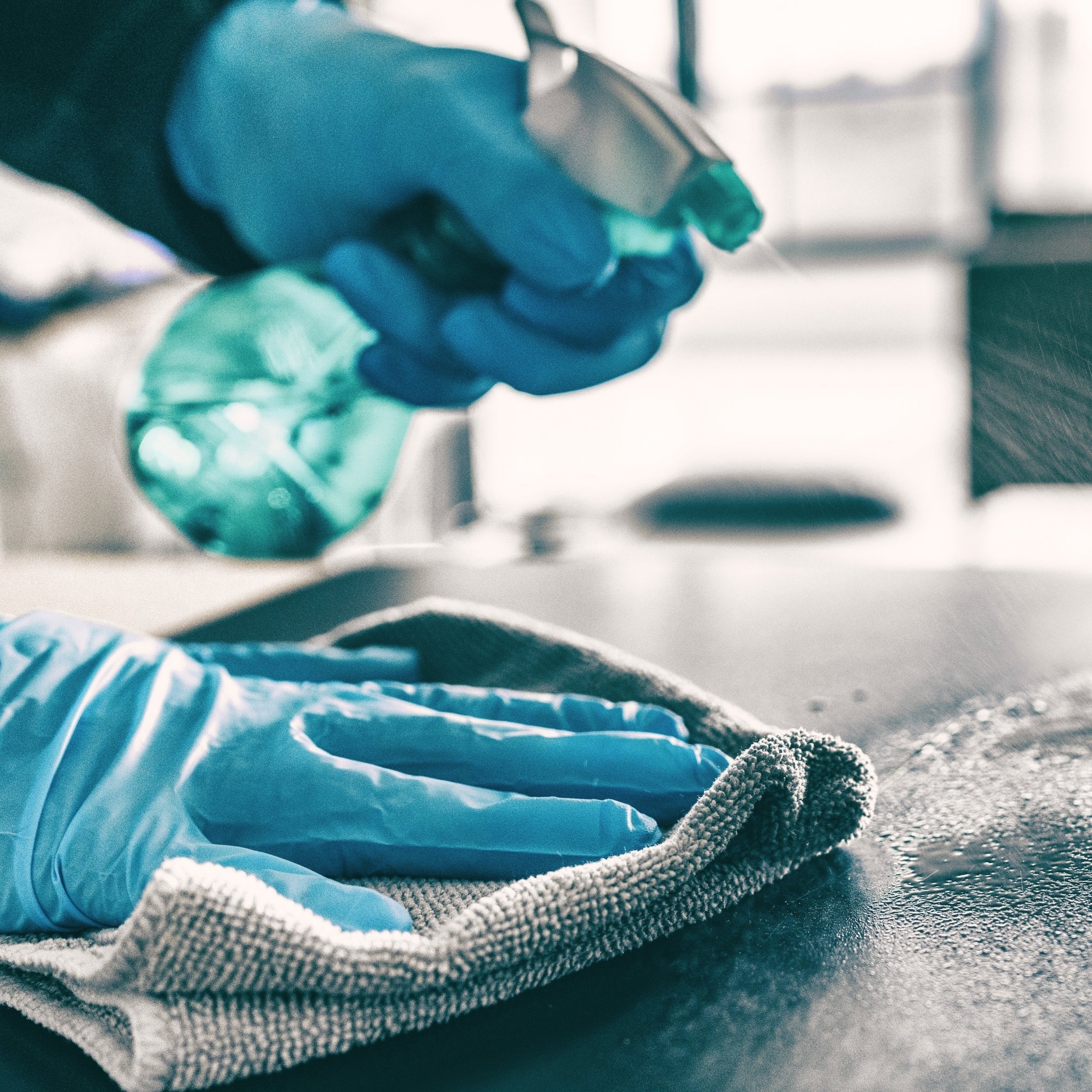
Keep your home cleaner with our range of cleaning and disinfection essentials. Explore disinfectants, surface cleaners, wipes, cleaning tools and more for everyday household hygiene.
Shop Collection