
News
-

, by Tatianna Gerard How to Reduce the Risk of UTIs When Self-Catheterising
Urinary tract infections (UTIs) are one of the potential complications people may encounter when performing intermittent self-catheterisation. Because a catheter passes through the urethra and...
-

, by Tatianna Gerard Self-Catheterisation: Steps & Important Safety Tips to Remember
Learning to self-catheterise can feel like a lot to take in at first. There are new supplies to become familiar with, hygiene steps to remember...
-
, by Tatianna Gerard Incontinence & Sleep: How to Manage Nighttime Leaks
Nocturnal incontinence, also known as bedwetting in adults or nocturnal enuresis, is a common yet often overlooked issue that affects millions of people. It’s estimated...
-

, by Aussie Pharma Direct What Are the Different Types of Urinary Tract Infections (UTIs)?
A urinary tract infection (UTI) is a common medical condition that occurs when bacteria invade any part of the urinary system, which includes the kidneys,...
-

, by Aussie Pharma Direct Recurrent UTIs: Causes, Prevention, and Management
Ever felt like you really have to go, but barely anything comes out? That's a classic symptom of a Urinary Tract Infection (UTI), an infection...
-

, by Aussie Pharma Direct Bladder Issues? Here are the Vitamins that Can Help
It's not uncommon for adults to experience bladder issues at some point in their lives, with prevalence increasing with age. These issues can have a...
-
, by Aussie Pharma Direct Bladder Problems in Men: What Does That Say about Your Prostate?
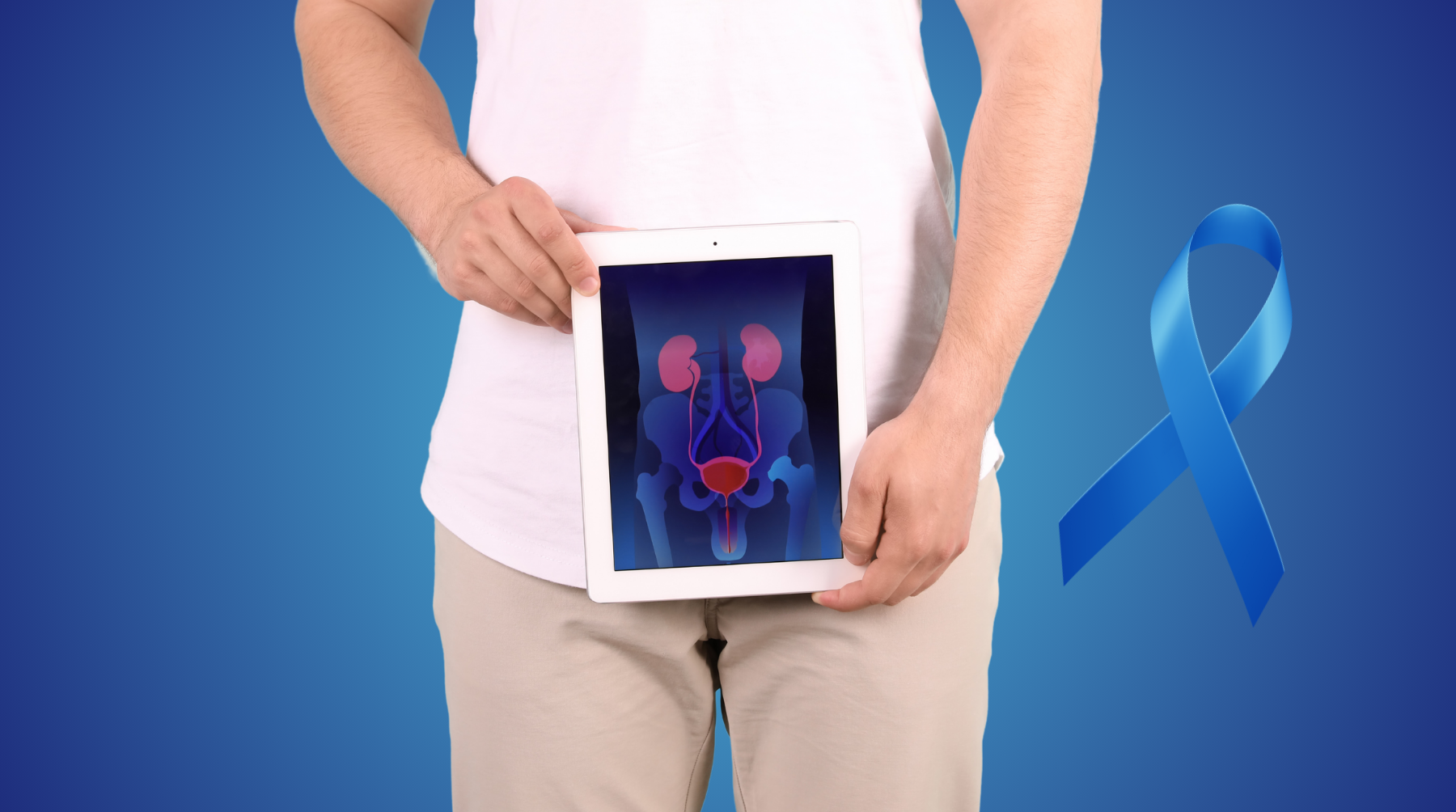
Incontinence is a surprisingly common issue. According to the Continence Foundation Australia, it affects roughly 1 in 4 adult Australians. This translates to up to...
-
, by Aussie Pharma Direct What Causes Urinary Incontinence?
Urinary incontinence, simply put, is the involuntary leakage of urine. In Australia, there are more than 5 million people who have some form of incontinence....


