
News
-

, by Tatianna Gerard Burns First Aid: What to Do (and What Not to Do) in the First 20 Minutes
A cup of tea knocked over at the kitchen bench. A hand brushed against the oven tray. Bath water that turned out hotter than it...
-

, by Tatianna Gerard Choosing Cut-Resistant Gloves: What EN 388 and ANSI Ratings Mean
Whether you're handling sheet metal, working with glass or using sharp tools, protecting your hands from cuts is an important part of workplace safety. But...
-

, by Tatianna Gerard Is Your Car Emergency-Ready? Safety Essentials You Need to Keep on Hand
Most of us think about car safety in terms of wearing a seatbelt, following the road rules and keeping the vehicle properly maintained. But there's...
-

, by Tatianna Gerard What’s the Difference Between a Respirator Fit Test & Fit Check?
When it comes to wearing a P2 respirator, choosing a certified product is only part of the equation. For a tight-fitting respirator to provide its...
-

, by Tatianna Gerard Freezing Cooked Food Doesn’t Kill Bacteria — Here’s Where Food Safety Really Matters
Most of us assume that once food is cooked and placed in the freezer, it’s completely safe to eat later. It feels logical—heat kills bacteria,...
-

, by Tatianna Gerard Food-Grade vs Food-Safe Cleaners: A Guide for Commercial Businesses
In commercial kitchens, aged care facilities, healthcare settings and food preparation areas, cleaning isn’t just about appearances — it’s about protecting food safety and reducing...
-

, by Tatianna Gerard Saliva Drug Testing: How Accurate Are They?
Drug and alcohol testing has become a standard safety measure across Australia — not just in high-risk industries like mining, transport, and construction, but also...
-

, by Tatianna Gerard PPE for Droplet Precautions: The 4 Essential Items You Must Wear
When someone coughs, sneezes, or even talks, tiny respiratory droplets can travel through the air and spread infection to people nearby. That’s why PPE plays...
-

, by Tatianna Gerard P100 & P3 Respirators in Healthcare: Do You Really Need That Level of Protection?
Most healthcare professionals are well-acquainted with surgical masks and N95/P2 respirators — they’re the standard go-to for infection control, airborne pathogen protection, and patient care....
-

, by Tatianna Gerard Are P3 & P100 Respirators the Same? Get to Know the Difference
Most of us are familiar with respirators labelled P2 or N95, which are commonly used for protection against dust, smoke, and airborne pathogens. However, when respiratory...
-

, by Tatianna Gerard What PPE Should You Wear for Radiation Protection?
Radiation is invisible, odourless, and potentially life-threatening — which makes protecting yourself from it very different from other workplace hazards. Unlike dust, chemicals, or biological...
-
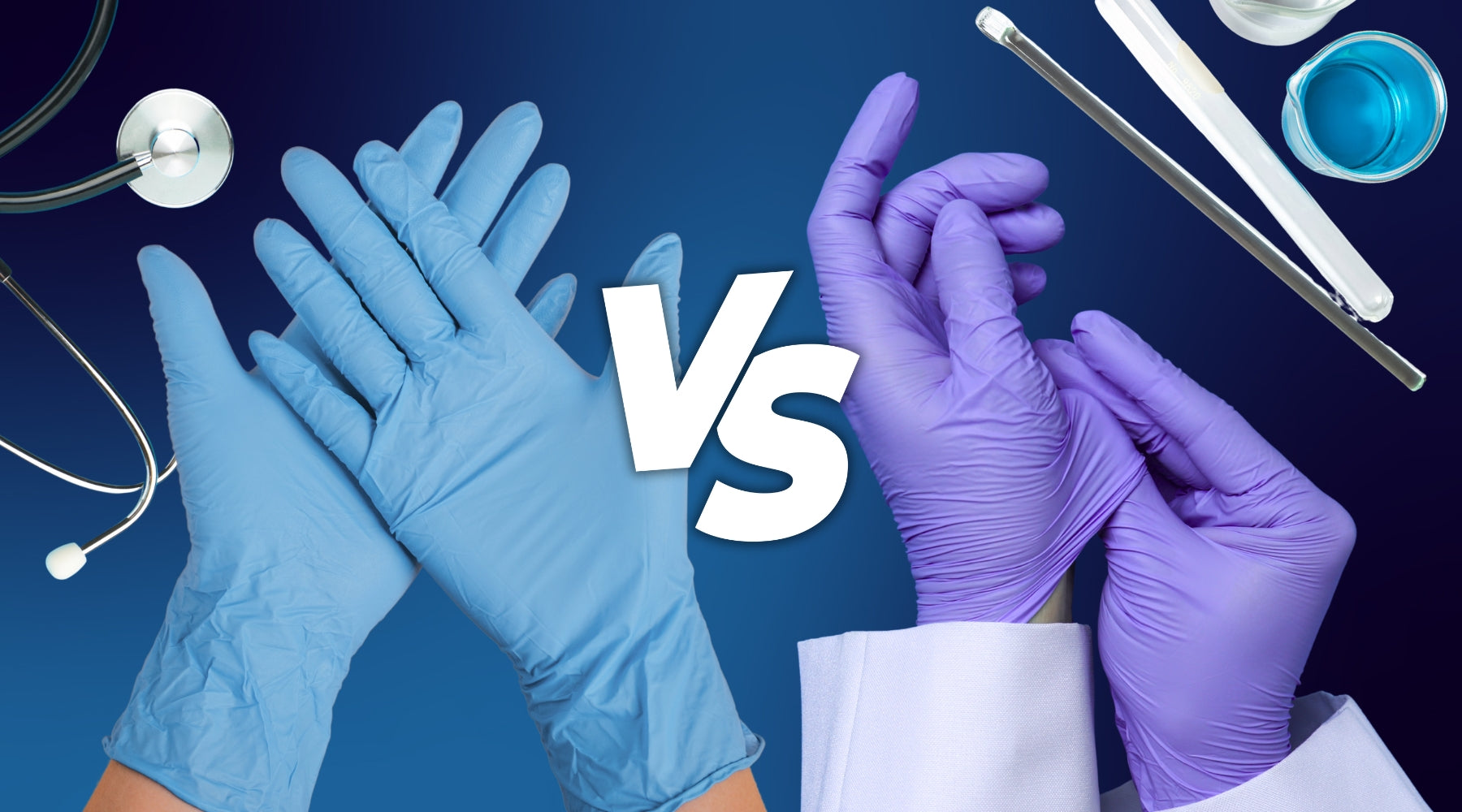
, by Tatianna Gerard Chemotherapy Gloves vs. Medical Examination Gloves: Why the Difference Matters
In healthcare, gloves are one of the most basic — yet most critical — forms of personal protective equipment. They create a barrier against pathogens,...


