
News
-

, by Tatianna Gerard Choosing Cut-Resistant Gloves: What EN 388 and ANSI Ratings Mean
Whether you're handling sheet metal, working with glass or using sharp tools, protecting your hands from cuts is an important part of workplace safety. But...
-

, by Tatianna Gerard Ringing in Your Ears After Work? Understanding Noise-Induced Tinnitus
Ever finished a long shift around loud machinery, power tools or industrial equipment, only to notice a faint ringing or buzzing in your ears once...
-

, by Tatianna Gerard AS/NZS 1715: What This Standard Means for Respirator Masks
Respirator masks play a critical role in protecting people from airborne hazards — from dust and fumes to infectious particles. In Australia and New Zealand,...
-

, by Tatianna Gerard Saliva Drug Testing: How Accurate Are They?
Drug and alcohol testing has become a standard safety measure across Australia — not just in high-risk industries like mining, transport, and construction, but also...
-

, by Tatianna Gerard PPE for Droplet Precautions: The 4 Essential Items You Must Wear
When someone coughs, sneezes, or even talks, tiny respiratory droplets can travel through the air and spread infection to people nearby. That’s why PPE plays...
-

, by Tatianna Gerard What PPE Should You Wear for Radiation Protection?
Radiation is invisible, odourless, and potentially life-threatening — which makes protecting yourself from it very different from other workplace hazards. Unlike dust, chemicals, or biological...
-
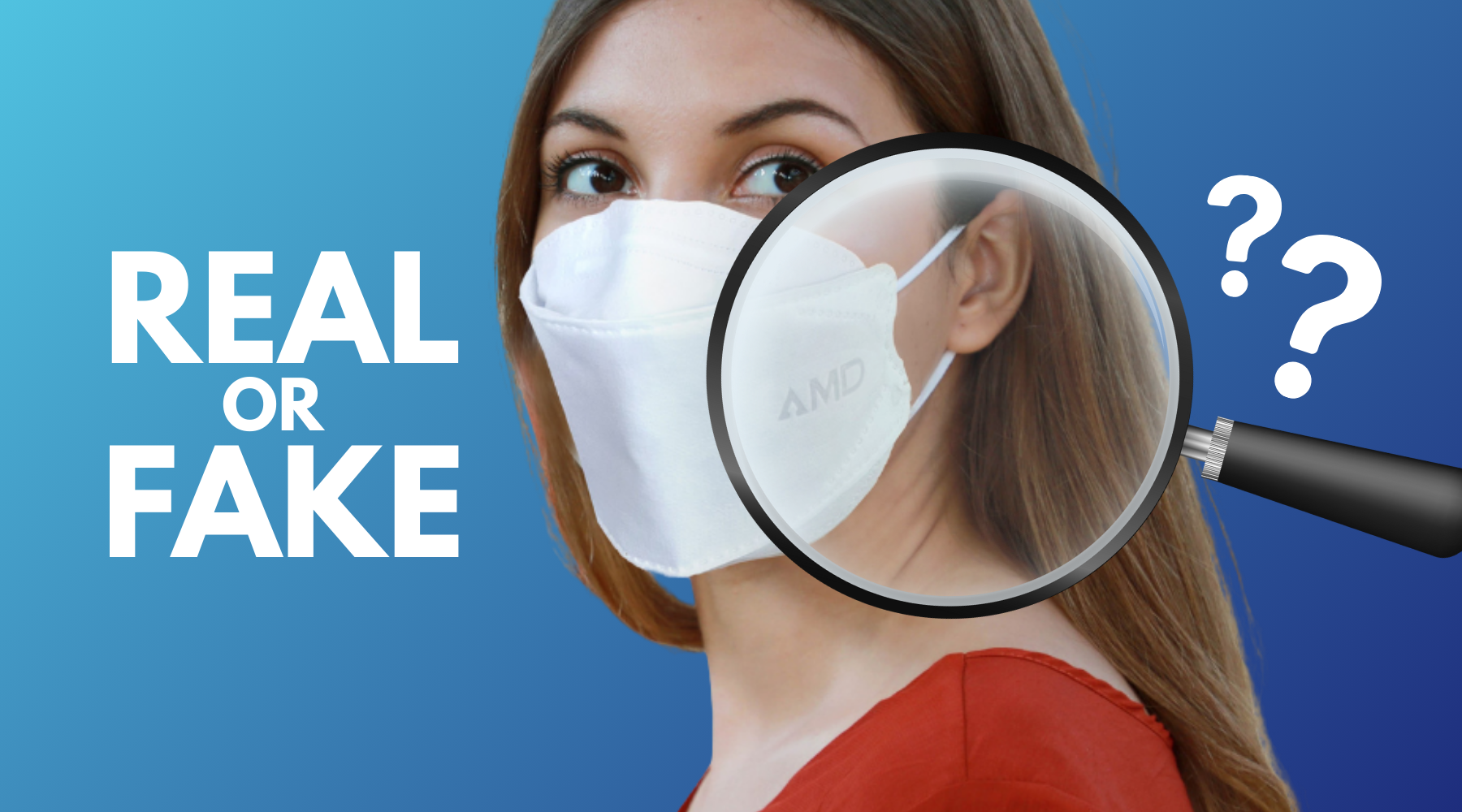
, by Tatianna Gerard How to Spot a Fake P2 or N95 Respirator Mask: A Buyer’s Guide
When it comes to protecting yourself from dust, bushfire smoke, or airborne pathogens, a quality mask isn’t just a nice-to-have—it’s essential. But here’s the problem:...
-

, by Tatianna Gerard Chemotherapy Gloves vs. Medical Examination Gloves: Why the Difference Matters
In healthcare, gloves are one of the most basic — yet most critical — forms of personal protective equipment. They create a barrier against pathogens,...


