

Could Mould Be Making You Sick? Signs, Symptoms & Home Testing Guide
, by Tatianna Gerard , 13 min reading time
, by Tatianna Gerard , 13 min reading time
Have you ever had a lingering cough, constant sneezing, a blocked nose or unexplained fatigue that just doesn't seem to go away? Perhaps you've assumed it's another winter cold, seasonal allergies, or simply something that will pass with time.
But what if the problem isn't a virus at all?
Hidden mould inside the home is far more common than many Australians realise. While many people associate mould with unsightly black patches on bathroom walls, it can also grow unnoticed behind furniture, inside wardrobes, beneath flooring, around leaking windows, or within air conditioning systems. As mould grows, it releases microscopic airborne spores that may affect indoor air quality and trigger a range of respiratory and allergy-like symptoms in susceptible individuals.
Because the symptoms of mould exposure often resemble those of the common cold, influenza, hay fever, or other respiratory illnesses, it's easy to mistake one for the other. This can lead to weeks—or even months—of treating the symptoms without addressing the underlying cause.
In this guide, we'll explain how mould exposure can affect your health, the signs that may suggest your home environment is contributing to your symptoms, how to check for hidden mould, and the steps you can take to create a healthier living space. We'll also look at when your symptoms may simply be caused by a respiratory virus—and how testing can help rule that out.
One of the biggest challenges with mould exposure is that the symptoms can closely resemble those of a common cold, influenza, COVID-19, or even seasonal allergies. As a result, many people continue treating what they believe is a lingering virus, when the underlying issue could actually be their indoor environment.
The key difference isn't always the symptoms themselves—it's how those symptoms behave.
A viral illness typically follows a predictable pattern. Symptoms often develop over a day or two, become more severe for several days, then gradually improve within one to two weeks. While fatigue or a lingering cough may persist for a short time afterwards, most people continue to recover steadily.
Mould exposure, however, is different. Rather than following a clear timeline, symptoms may come and go, fluctuate throughout the day, or persist for weeks without fully resolving. Some people notice they wake up congested every morning, begin coughing shortly after arriving home, or feel noticeably better after spending time outdoors, at work, or on holiday. These changes in symptoms based on your environment can be an important clue that mould may be contributing to the problem.
Read related article: Is Toxic Mould Making You Sick? Understanding Chronic Inflammatory Response Syndrome (CIRS)
|
Symptom |
Cold / Flu / Respiratory Virus |
Hidden Mould Exposure |
|
Fever |
✓ Common |
Rare |
|
Chills |
✓ Common |
Rare |
|
Muscle aches |
✓ Common |
Rare |
|
Runny or blocked nose |
✓ Common |
✓ Common |
|
Sneezing |
Common |
Very common |
|
Itchy or watery eyes |
Uncommon |
Very common |
|
Persistent cough |
Sometimes |
Common |
|
Wheezing |
Sometimes |
Common |
|
Symptoms improve when away from home |
Rare |
Often |
|
Symptoms keep returning |
Usually not |
Often |
While these are common patterns, everyone's experience is different. If your symptoms are severe, persistent, or you're concerned about your health, it's important to seek advice from a healthcare professional.
If your symptoms have only recently started—particularly during the colder months—a respiratory virus is still one of the most likely explanations. Nowadays, 5-in-1 rapid antigen test kits are available that can detect several common respiratory viruses—including COVID-19, Influenza A, Influenza B, RSV, and Adenovirus.
If your test is positive, you've likely found the cause of your symptoms. However, if the result is negative and your cough, congestion or fatigue continues for weeks—especially if you feel noticeably worse at home—it may be worth looking beyond viruses and considering whether hidden mould in your home could be playing a role.
When mould grows indoors, it releases microscopic spores into the air. These spores can be inhaled and may irritate the eyes, nose, throat, and lungs. While not everyone will react to mould exposure, people with asthma, allergies, respiratory conditions, young children, older adults, or weakened immune systems are generally more susceptible.
Depending on the individual and the level of exposure, symptoms can range from mild irritation to more persistent respiratory problems.
Respiratory symptoms are among the most common effects associated with indoor mould exposure. These may include:
People with asthma may find that mould exposure triggers flare-ups or makes existing symptoms worse. Some studies have also suggested that damp indoor environments may increase the risk of developing respiratory symptoms, particularly with prolonged exposure.
Many people experience symptoms similar to hay fever when exposed to mould spores. These can include:
These reactions can occur even if you don't immediately notice visible mould in your home, as airborne spores can circulate throughout indoor spaces.
Some individuals also report more general symptoms that may be associated with ongoing mould exposure, including:
While these symptoms can have many possible causes, they may be worth discussing with your healthcare professional if they persist alongside signs of dampness or mould within your home.
It's also worth noting that mould affects everyone differently. While many people experience allergy-like reactions caused by mould spores, others may be concerned about mould toxicity—a separate concept that involves exposure to certain toxins (known as mycotoxins) produced by some mould species under specific conditions.
Read more about it here 👉 Mould Allergy vs Mould Toxicity: What’s the Difference?
One of the biggest misconceptions about mould is that you'll always be able to see it. While mould often appears as black, green, or white patches on walls and ceilings, it can also grow in hidden areas where moisture is present but difficult to spot. It's also common for mildew to be mistaken for mould, as both grow in damp environments and can look similar at first glance.
Hidden mould may develop:
In many cases, the only noticeable clue may be a persistent damp or musty smell.
Even if you can't see mould, these signs may indicate that it's growing somewhere in your home:
It's worth remembering that mould isn't limited to older homes. Even modern, well-maintained properties can develop mould if excess moisture isn't properly managed. Everyday activities such as cooking, showering, drying clothes indoors, or poor ventilation can create the ideal conditions for mould to grow.
Read related article: Is There Mould Hiding Behind Your Paint? Why Painting Over It Doesn’t Work
While visible mould is easy to identify, hidden mould can be much harder to detect. Rather than relying on guesswork, testing your indoor environment can provide greater confidence about whether mould may be contributing to the problem.
DIY mould test kits are designed to detect airborne mould and bacteria that may be present inside your home—even when mould isn't immediately visible. This can be particularly useful if:
Testing won't identify every possible source of mould, but it can be a helpful first step in determining whether further investigation or remediation is needed.
The Airogenix Mould & Bacteria Test Kit is designed to help detect airborne mould and bacteria in your indoor environment. It uses a dual-sided dipslide with specialised agar to capture microorganisms from the air or from surface samples, allowing colonies to grow over a period of incubation for easy visual assessment.

The kit is suitable for use in a wide range of indoor environments, including:
It's a simple way to gain objective information about your indoor environment—particularly when mould isn't visible but you suspect it may be present.
💡 Tip: For the most reliable results, always follow the manufacturer's instructions carefully, including the recommended sampling method and incubation period before interpreting the results.
A positive result doesn't necessarily mean your home requires major remediation. In many cases, mould can be successfully addressed if it's identified early and the underlying moisture problem is resolved.
The next step is to identify where the moisture is coming from—whether it's a leaking pipe, poor ventilation, condensation, or previous water damage—and address the source before cleaning the affected area. Simply removing visible mould without fixing the moisture issue often means it will return.
Not sure what to do if you have a major mould problem? Read our guide here on Who to Call for Mould Problems: The Experts You Need for Every Type of Mould Issue
When you're feeling unwell, it's easy to assume you've caught another cold, the flu, or seasonal allergies. But if your symptoms keep returning, seem to worsen at home, or don't improve as expected, it may be worth considering whether hidden mould could be contributing to the problem.
If mould is detected, addressing the source of moisture is just as important as removing the mould itself. Acting early can help prevent further growth and create a healthier indoor environment for you and your family.
If you'd like to learn more about detecting, removing, and preventing mould, we've put together a range of helpful guides:
Guide on How to Test, Clean & Prevent Mould Growth with SAN-AIR – Learn how to test for mould, clean affected areas safely, and reduce the chances of mould returning with practical prevention tips.
Weekly Checklist to Keep Your Home Mould-Free – A simple maintenance checklist to help you control moisture, improve ventilation, and keep your home healthier all year round.

From tackling existing mould to helping prevent it from coming back, the SAN-AIR Mould Removal & Prevention Solutions provide practical products for every stage of mould management.
Shop Collection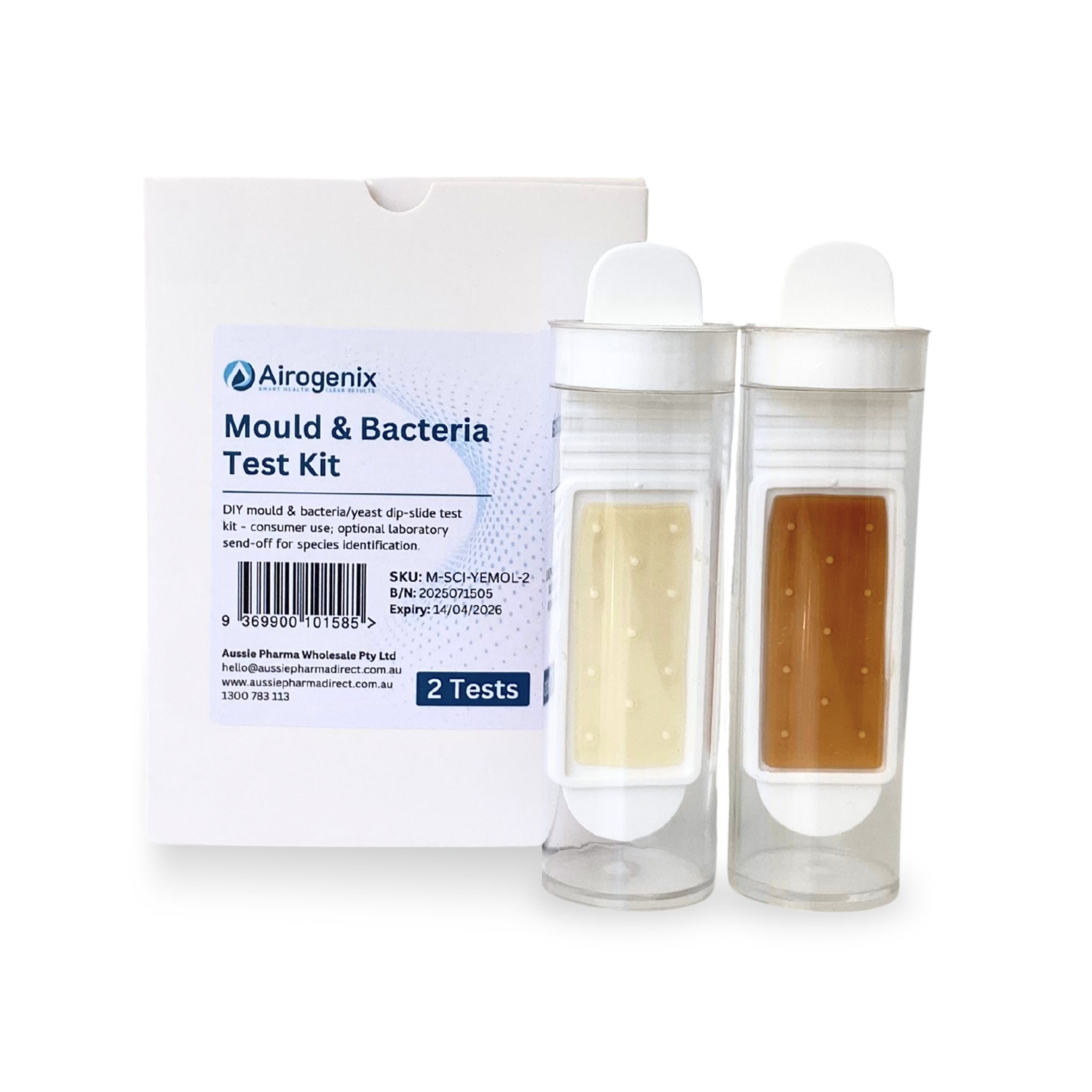
The Airogenix Mould & Bacteria Test Kits provide a simple way to detect airborne mould and bacteria in your indoor environment, helping you identify potential issues early—even when mould isn't immediately visible. Ideal for homes, workplaces, rental properties, or anyone seeking greater peace of mind about their indoor air quality.