

Flu Cases Are Rising Late in Australia — Why You Shouldn’t Ignore Influenza This Spring
, by Tatianna Gerard , 13 min reading time
, by Tatianna Gerard , 13 min reading time
Spring has arrived in Australia, temperatures are beginning to rise and winter is behind us. You might expect flu season to be winding down too — but influenza cases have recently been heading in the opposite direction.
Australia's latest respiratory surveillance data shows influenza activity increased again during late August and early September 2026. This follows a relatively quiet period earlier in the season and makes this year's pattern somewhat different from the more familiar winter flu peak.

Source: National Notifiable Diseases Surveillance System (NNDSS)
It's a useful reminder that influenza doesn't follow an exact calendar. The timing and intensity of flu season can change from year to year depending on which strains are circulating, population immunity, vaccination coverage, human behaviour and other factors.
And while most people recover from influenza, it shouldn't simply be dismissed as a bad cold. Flu can cause significant illness and, for some people, serious complications.
So, why is flu activity rising relatively late this year? What's the so-called “Super-K” flu you may have heard about? And with COVID-19, RSV and other respiratory viruses also capable of causing similar symptoms, how do you know what you're dealing with?
Influenza is constantly changing, which makes predicting exactly what each season will look like difficult.
Several factors can influence how much flu circulates and when cases peak.
The virus itself: Influenza viruses continually undergo genetic changes. Different strains and variants can therefore become more or less prominent from one season to another.
Population immunity: Previous infections and vaccination can provide some immunity, but the level of protection within the population changes as circulating viruses evolve.
Human behaviour: Travel, school terms, indoor gatherings and how frequently people interact with others can all influence opportunities for influenza to spread.
Environmental conditions: Influenza transmission can also be influenced by environmental factors such as temperature and humidity, although the relationship between weather and flu transmission is complex.
Another important point is that “the flu” isn't one single, unchanging virus.
You may recognise H1N1 from the 2009 influenza pandemic. Descendants of that virus continue to circulate today as one of the major seasonal influenza A subtypes.
H3N2 is another major seasonal influenza A subtype. Like other influenza viruses, it continues to evolve into different genetic groups and subclades.
One of those subclades has received considerably more attention recently: subclade K.
Influenza B viruses also contribute to seasonal flu. The B/Victoria lineage remains part of Australia's 2026 influenza vaccine composition.
You may previously have heard of B/Yamagata as well. However, B/Yamagata hasn't been detected in Australia for several years, and Australia transitioned to trivalent influenza vaccines in 2026, containing two influenza A components and one influenza B component.
This changing mix is also why the composition of the seasonal influenza vaccine is regularly reviewed and updated.
Despite its dramatic nickname, “Super-K” isn't an entirely new type of influenza.
It refers to subclade K, a branch of the influenza A(H3N2) family. The variant, previously known as J.2.4.1, attracted attention after spreading unusually quickly and appearing later in Australia's 2025 influenza season than would normally be expected for an emerging H3N2 variant.
CSIRO researchers have noted that subclade K contains a number of changes in haemagglutinin, a protein on the surface of the influenza virus that plays an important role in allowing the virus to attach to cells and is also a major target of our immune response.
However, the “Super-K” shouldn't be interpreted to mean that it causes a more severe form of influenza. Australian health authorities reported during its emergence that there was no indication of increased disease severity associated with subclade K. The concern was instead its rapid spread and the number of infections occurring.
For some people, influenza may mean several unpleasant days followed by a straightforward recovery. But that doesn't mean flu is simply another name for a bad cold.
Influenza commonly causes symptoms such as:
fever and chills
cough
sore throat
headaches
muscle and body aches
fatigue
runny or blocked nose.
Symptoms can come on relatively quickly and leave you feeling significantly unwell.
Influenza can also cause complications, including pneumonia, and some people have a greater risk of becoming seriously ill. This includes older adults, young children, pregnant people, Aboriginal and Torres Strait Islander people and people with certain underlying medical conditions.
So even when flu is circulating outside what we traditionally think of as “flu season,” it's still worth taking symptoms seriously — particularly if you or someone around you belongs to a higher-risk group.
One difficulty with respiratory illness is that several different viruses can cause similar symptoms.
Influenza isn't the only possibility when you suddenly develop a fever, cough, sore throat, runny nose, headache or fatigue.
COVID-19 can cause many symptoms that overlap with influenza, including fever, cough, sore throat, fatigue, headache and nasal symptoms.
RSV commonly causes cold-like respiratory symptoms but can also cause more serious lower respiratory illness, particularly among infants, older adults and other vulnerable people.
Adenoviruses can cause fever, cough, sore throat, runny nose and other respiratory symptoms. Some adenoviruses can also cause illnesses affecting other parts of the body, including the eyes and gastrointestinal system.
Because there is so much overlap, you can't always tell which respiratory virus you have from symptoms alone.
Read more about the symptoms overlap here: Still Sick After Checking for COVID, RSV & Flu? It Could Be Adenovirus
When several respiratory viruses are circulating at the same time, testing can provide useful information about what may be causing your symptoms.
Depending on the product, multi-virus rapid antigen tests can test for several respiratory viruses from a single sample. Some tests detect COVID-19 and influenza A/B, while broader tests can also include RSV and adenovirus.
At Aussie Pharma Direct, you can find a range of rapid antigen tests designed to test for common respiratory illnesses. There are also multi-virus options, such as the Sonictec 5-in-1 rapid antigen tests, which can test for COVID-19, influenza A, influenza B, RSV and adenovirus using a single test. This can be a convenient option when several respiratory viruses are circulating and symptoms alone don't make it clear which infection may be responsible.
However, a home test shouldn't be the only factor determining whether you seek medical care. If you're seriously unwell, experiencing worsening symptoms, having difficulty breathing or at greater risk of complications, seek appropriate medical advice regardless of a rapid-test result.
Even with an unusual or late influenza season, vaccination remains one of the main ways to reduce the risk of influenza and its complications.
Influenza vaccines are reviewed each year because circulating flu viruses continually change. Australia's 2026 influenza vaccines are trivalent, targeting:
an A(H1N1)pdm09-like virus
an A(H3N2)-like virus
a B/Victoria-lineage virus.
The H1N1 and H3N2 components were updated from the 2025 Southern Hemisphere vaccine composition.
Vaccination coverage also varies considerably by age. Earlier Australian CDC data from the 2026 season showed that by the end of May, approximately 51.6% of adults aged 65 and over and 19.5% of children aged six months to under five years had received a recorded 2026 influenza vaccination. Those figures represent coverage at that point in the season rather than final annual uptake.
And because influenza activity can continue beyond winter, it isn't too late to consider vaccination simply because spring has arrived.
For more information about when to get vaccinated, who is eligible for a free flu vaccine and the different programs available around Australia, read our article here: Flu Vaccine in Australia: How, When & Why to Get Vaccinated.
If you develop flu-like symptoms:
Stay home while you're unwell and avoid close contact with other people where possible.
Take extra care around older adults and others at greater risk of serious illness.
Cover coughs and sneezes and wash or sanitise your hands regularly.
Consider wearing a well-fitting mask if you're unwell and need to be around other people.
Improve indoor ventilation where practical.
Consider testing when you develop respiratory symptoms, particularly when multiple viruses are circulating.
Speak with your doctor or pharmacist about influenza vaccination if you haven't received your 2026 vaccine and aren't sure whether you should still get one.
If you become seriously unwell, have difficulty breathing or are concerned about your symptoms, seek medical advice.

Explore P2 and N95 respirators designed to provide a high level of filtration against airborne particles when correctly fitted and worn. Keep respiratory protection on hand for times when an additional layer of protection may be appropriate, particularly when respiratory illnesses are circulating.
Shop Collection
Be prepared when respiratory symptoms appear with our range of rapid antigen tests, including multi-virus options that can test for COVID-19, influenza A and B, RSV and adenovirus depending on the test. Choose from single-virus and combination tests, including convenient 5-in-1 rapid tests for testing multiple common respiratory viruses from one sample.
Shop Collection
Keep hand hygiene within easy reach with our range of hand sanitisers for home, work, travel and everyday use. A convenient option when soap and water aren't readily available, helping you maintain good hand-hygiene practices while you're on the go.
Shop Collection
Our range of over-the-counter medicines for managing common cold and flu symptoms, including options for symptoms such as fever, aches, sore throat, cough and nasal congestion, depending on the product. Always read the label and follow the directions for use, and speak with a pharmacist or healthcare professional if you're unsure which medicine is suitable for you.
Shop Collection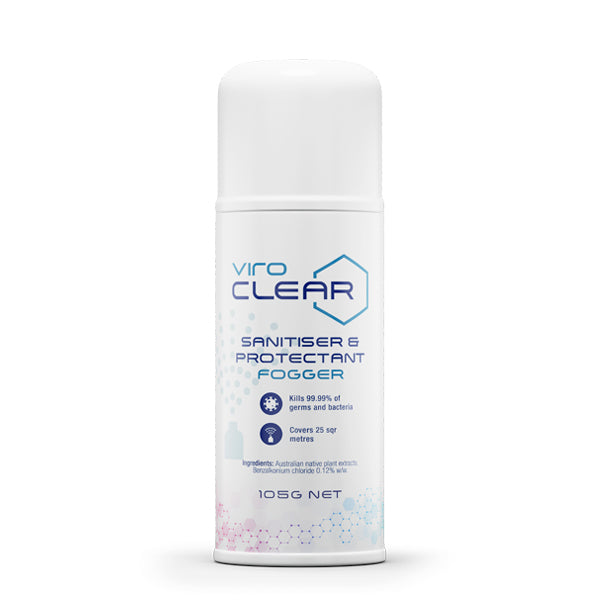
Support everyday hygiene with cleaning and disinfection solutions for use around the home, workplace and shared spaces. Explore options for cleaning frequently touched surfaces and maintaining a cleaner environment, following each product's directions for use.
Shop Collection
Our hand wash collection includes gentle, effective formulas that cleanse without stripping the skin, making them ideal for frequent use at home, work, or on the go. If you’re managing ongoing symptoms or supporting someone through recovery, keeping quality hand wash close by adds an extra layer of protection and peace of mind.
Shop Collection