

Faster Diagnosis Starts at Home: The Role of Rapid Tests in Detecting Respiratory Illnesses
, by Tatianna Gerard , 16 min reading time
, by Tatianna Gerard , 16 min reading time
As the weather cools across Australia, we start to see a familiar pattern — more coughs, colds and respiratory illnesses circulating in the community.
Autumn and winter are peak seasons for viruses like flu, COVID-19 and RSV, with more people spending time indoors, closer together, and unknowingly passing illnesses on. For many, symptoms can start off mild and easy to dismiss, which often leads to delays in taking action.
At the same time, healthcare systems in Australia, especially in Western Australia, begin preparing for the winter increase in respiratory illnesses such as flu, RSV and COVID-19, which can place significant pressure on hospitals and emergency departments. During these peak periods, large numbers of patients may present with overlapping respiratory symptoms, making it more important to identify likely causes quickly and manage care efficiently.
Faster diagnosis can help support earlier clinical decision-making, more appropriate isolation of infectious patients, and timelier treatment, admission or discharge. It can also reduce unnecessary delays at a time when health services are working to manage higher seasonal demand.
Respiratory illnesses tend to rise in winter because the cooler months create the kind of conditions that make viruses easier to spread.
People spend more time indoors, often in closer contact with others and in spaces with less ventilation. That gives viruses like influenza, COVID-19 and RSV more opportunity to move from person to person. Winter also tends to bring more overlap between these illnesses, which is why so many people develop similar symptoms around the same time.
Recent Australian surveillance data helps show why health authorities prepare so carefully for winter respiratory illness periods.
According to the national respiratory surveillance report, influenza cases increased steadily through 2025, which was described as unusual for that time of year. Even after a drop in late December, influenza notifications were still considerably higher than at the same time in previous seasons, with much of that activity linked to influenza A (H3N2), in particular a new subclade called subclade K. At the same time, test positivity for influenza increased, while COVID-19 positivity decreased and RSV remained more stable or continued to ease.
The same report also showed that in general practice, consultations for influenza-like illness were higher than in the previous month, and from June to December 2025, consultation rates generally remained above historical trends. This shows that more people were seeking medical care throughout and after the winter season than would usually be expected.
Over the same period, trends varied across other respiratory illnesses. COVID-19 cases declined overall in the final month of 2025 and remained lower compared to previous years, while RSV cases also decreased toward the end of the year, following more typical seasonal patterns.
The data also shows why early detection matters beyond just convenience.
The ABS respiratory mortality update highlighted that while COVID-19 remained at relatively low levels in early 2026 throughout Australia, deaths involving influenza remained unusually high. The release noted 133 influenza-related deaths in December and 101 in January, compared with 53 COVID-19 deaths in December and 69 in January. It also stated that since August 2025, the number of deaths involving influenza had exceeded those involving COVID-19.
The surveillance summary also made clear that these acute respiratory infections are more likely to cause death in older age groups than younger ones.
Taken together, the pattern is clear:
more respiratory symptoms in the community
more GP visits for influenza-like illness
more hospital admissions driven by respiratory infections
and, in some cases, more deaths, particularly among older Australians
One of the biggest challenges during winter is that many respiratory illnesses start with very similar symptoms.
Flu, COVID-19 and RSV can all present in almost the same way in the early stages. This makes it difficult to tell what you’re dealing with based on symptoms alone — especially in the first few days.
Common symptoms include:
Fever or chills
Cough
Sore throat
Runny or blocked nose
Fatigue or tiredness
Headache
Muscle or body aches
Shortness of breath (in some cases)
Because these symptoms overlap so closely, it’s easy to assume it’s “just a cold” or to wait it out. But in reality, you could be dealing with something more serious or more contagious.
That’s why relying on symptoms alone can lead to delays in taking the right action — whether that’s isolating, seeking medical advice, or avoiding contact with vulnerable people.
This is where testing becomes especially important.
Rapid antigen tests (often called RATs) are quick, easy-to-use tests that help detect certain respiratory viruses, including COVID-19 and, in some cases, influenza. They are designed for at-home use or point-of-care settings, with results typically available in 15–20 minutes.
Rapid tests can come in a few different formats, depending on how the sample is collected:
A soft swab is gently inserted into the nostril to collect a sample from the nasal cavity. This is the most common type.
A saliva sample is collected, usually by spitting into a collection device. These can be easier for some people, especially children or those who prefer a non-swab option.
Some tests allow for either method or combine both to improve flexibility and detection, depending on the brand.
Each type is designed to be simple to use, with step-by-step instructions included.
Rapid antigen tests work by detecting specific proteins (antigens) found on the surface of a virus.
Here’s a simple breakdown of what happens:
Sample collection - You collect a sample using a swab or saliva.
Mixing with solution - The sample is placed into a liquid buffer that helps release any viral proteins present.
Test strip reaction - The solution is added to a test device (similar to a pregnancy test), where it flows across a strip containing antibodies designed to recognise the virus.
Result appears - If viral proteins are present, they bind to these antibodies and create a visible line on the test — usually within minutes.
Because they detect viral proteins rather than genetic material, rapid antigen tests are best at identifying active infections, particularly when viral levels are higher (such as when symptoms are present).
This is also why most rapid antigen tests include instructions to test within the first 5–7 days from symptom onset. During this period, the amount of virus in the body (often referred to as the viral load) is typically at its highest, making it easier for the test to detect the presence of viral proteins.
As the infection progresses and viral levels begin to drop, the test may become less sensitive, meaning there is a higher chance of a false negative result even if you are still recovering.
Rapid testing plays an important role during winter because it helps you act sooner, with more confidence.
When symptoms overlap and respiratory illnesses are circulating at the same time, waiting too long to confirm what you’re dealing with can lead to delayed decisions, increased spread and added pressure on others around you.
Rapid antigen tests can provide results in minutes, rather than waiting hours or days.
This means you can quickly understand whether you may be dealing with a contagious illness and take the next step sooner.
Getting a result early allows you to:
Stay home if needed
Avoid contact with others
Seek medical advice sooner if symptoms worsen
Early action to manage symptoms helps reduce the risk of passing illness on to family, colleagues or vulnerable individuals.
Rapid testing supports practical, day-to-day choices, such as:
Whether to go to work or send children to school
Visiting elderly family members or care facilities
Attending events or travelling
In environments like aged care, healthcare, disability support and workplaces, rapid testing can help:
Identify potential cases earlier
Reduce the risk of outbreaks
Support safer staffing and continuity of care
When more people test early and act accordingly, it can help:
Slow transmission in the community
Reduce pressure on healthcare services
Protect higher-risk individuals
Rapid testing does not just help individuals at home — it also plays an important role in supporting the wider healthcare system, especially during winter when demand increases.
When more people become unwell at the same time, hospitals, emergency departments and clinics can face a sharp rise in patients presenting with similar respiratory symptoms. This makes it harder to quickly determine who may be infectious, who needs further care, and who can safely recover at home.
That is where faster testing becomes valuable.
Rapid respiratory testing can help healthcare teams:
identify likely infections sooner
make earlier decisions about isolation and infection control
support faster triage and patient flow
reduce unnecessary delays in treatment or discharge
better manage beds, staff time and clinical resources during peak periods
Besides, earlier testing can also help reduce the risk of respiratory viruses spreading within healthcare environments themselves. When infectious patients are recognised sooner, it becomes easier to put appropriate precautions in place and help protect staff, other patients and vulnerable visitors.
If you develop symptoms like fever, cough, sore throat or fatigue, test as early as possible — ideally within the first few days.
Each test kit may have slightly different steps. Make sure to:
Use the correct sample method (nasal or saliva)
Follow timing instructions
Read results within the recommended timeframe
If your first result is negative but symptoms continue, it may be helpful to test again after 24–48 hours. This is because viral levels can increase over time.
If you’re planning to visit:
Elderly family members
Aged care facilities
People with underlying health conditions
👉 Testing beforehand can help reduce the risk of unknowingly passing on illness.
Don’t wait until you’re unwell to buy a test. Keeping a small supply at home means you can act quickly when symptoms start.
Store your test kits:
In a cool, dry place
Away from direct sunlight and heat
This helps maintain their accuracy and shelf life.
Expired tests may not perform as expected. Always check the use-by date before testing.
If symptoms are severe, worsening, or not improving, testing is just one step. Seek medical advice where needed, especially for higher-risk individuals.
As winter approaches, respiratory illnesses like flu, COVID-19 and RSV become more common — and often harder to tell apart in the early stages.
That’s why being prepared matters. Rapid antigen tests offer a simple way to get quick answers, helping you take action sooner rather than later. They’re not a replacement for medical care, but they are a practical tool that supports better day-to-day decisions — both at home and in care or workplace settings. Acting early can help reduce spread, protect others, and ease pressure on healthcare systems during the busy winter season.

Explore masks and respirators designed to support everyday respiratory protection in higher-risk settings, crowded spaces and seasonal illness periods. From general use to more protective options, having the right mask on hand can help reduce exposure and support peace of mind.
Shop Collection
Stay ready with rapid antigen tests designed to help support faster detection when symptoms appear. Ideal for home, workplace and care settings.
Shop Collection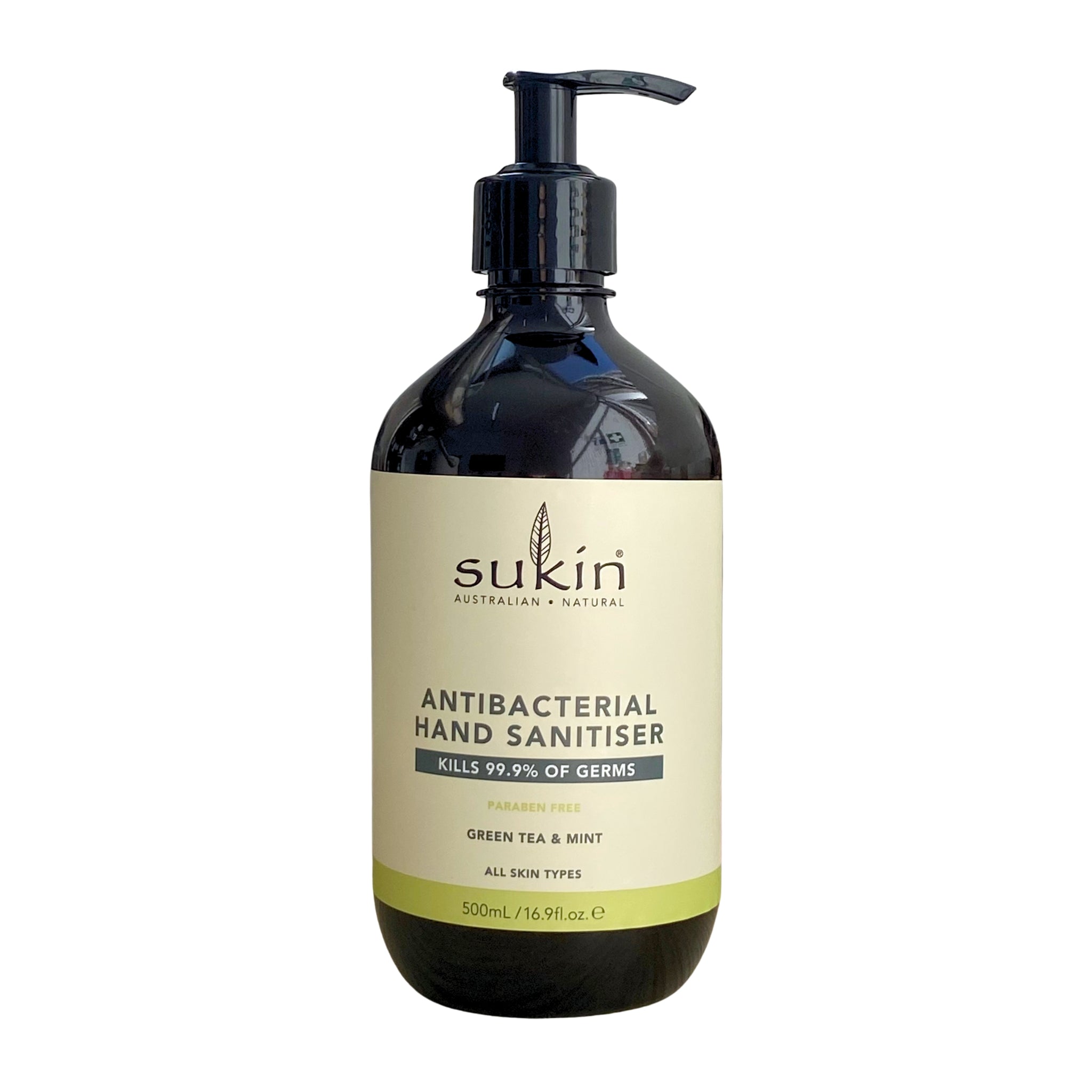
Hand sanitisers are a convenient way to support good hygiene when soap and water are not readily available. Shop our range that's suitable for home, work and on-the-go use.
Shop Collection
Disinfectants can help support a cleaner environment during times of illness by targeting germs on high-touch surfaces and shared spaces. Shop disinfectant solutions suited to homes, workplaces, healthcare, and general hygiene routines.
Shop Collection
From everyday cold and flu support to general winter wellness essentials, our medicines range is designed to help you stay prepared when illness strikes. Keeping the right products on hand can make it easier to respond quickly when symptoms begin.
Shop Collection